
The Creator in the Unfinished Places
Dust is real, but it is not ultimate. God was there first, and mercy will have the final word.
Some stories are hard to hear because they tell the truth about the world as it actually is. They do not rush past poverty, grief, family fracture, violence, wandering, shame, betrayal, hunger, or death. They name the dusty places of life—the places where the ground feels dry, the future feels unclear, and hope feels far away.
Genesis tells that kind of story.
It tells the truth about dust: the dust of creation, the dust of curse and mortality, the dust of barren places, the dust of sinful hearts, and the dust of a broken world. But Genesis is not merely a story of dust. It is a story of dust and mercy.
Before there is sin, shame, death, exile, grief, or wandering, God is there. And after sin and shame enter the story, God is still there—calling, covering, judging, saving, promising, and preserving His people.
Genesis begins by teaching us that mercy is older than brokenness. Before the darkness, God. Before the chaos, God. Before the dust, God.
Genesis tells that kind of story.
It tells the truth about dust: the dust of creation, the dust of curse and mortality, the dust of barren places, the dust of sinful hearts, and the dust of a broken world. But Genesis is not merely a story of dust. It is a story of dust and mercy.
Before there is sin, shame, death, exile, grief, or wandering, God is there. And after sin and shame enter the story, God is still there—calling, covering, judging, saving, promising, and preserving His people.
Genesis begins by teaching us that mercy is older than brokenness. Before the darkness, God. Before the chaos, God. Before the dust, God.
Genesis Is Where Our Roots Run Deep
Genesis 1:1–2 reveals God as the eternal Creator who brings life, light, beauty, and fullness into dark, deep, unformed places by His powerful and merciful presence.
Genesis is not simply ancient information. It is the deep root system of the whole biblical story. It tells us where creation begins, where humanity begins, where marriage and family begin, where work and rest begin, where sin and shame begin, where violence and wandering begin, where covenant and promise begin.
In seed form, even at the very beginning, Genesis begins to sound the earliest notes of the gospel.
Genesis is a story, but it is not a random collection of stories. It is the opening movement of Scripture’s one great story. We will meet Adam and Eve, Cain and Abel, Noah, Abraham and Sarah, Isaac and Rebekah, Jacob, Leah, Rachel, Joseph, and his brothers. But Genesis is not ultimately about them. Genesis is ultimately about God.
He is the One who creates. He speaks. He calls. He covers. He judges. He saves. He makes promises. He keeps promises.
That means Genesis does not merely tell us where everything began. It tells us who was there in the beginning. And that changes everything.
Genesis is not simply ancient information. It is the deep root system of the whole biblical story. It tells us where creation begins, where humanity begins, where marriage and family begin, where work and rest begin, where sin and shame begin, where violence and wandering begin, where covenant and promise begin.
In seed form, even at the very beginning, Genesis begins to sound the earliest notes of the gospel.
Genesis is a story, but it is not a random collection of stories. It is the opening movement of Scripture’s one great story. We will meet Adam and Eve, Cain and Abel, Noah, Abraham and Sarah, Isaac and Rebekah, Jacob, Leah, Rachel, Joseph, and his brothers. But Genesis is not ultimately about them. Genesis is ultimately about God.
He is the One who creates. He speaks. He calls. He covers. He judges. He saves. He makes promises. He keeps promises.
That means Genesis does not merely tell us where everything began. It tells us who was there in the beginning. And that changes everything.
In the Beginning, God
Genesis 1:1 is simple enough for a child to memorize and deep enough that the Church has never reached the bottom of it: “In the beginning, God created the heavens and the earth.”
Before there is anything else to name, there is God. Genesis does not begin with humanity searching for God. It begins with God already there, revealing Himself. He is not defended. He is not explained. He simply is.
This teaches us that God is eternal. He is before all things. He is not part of creation. He is not the strongest being inside the universe. He is the eternal Creator outside and over the universe. He has no beginning and no end.
Romans 11:36 says, “For from him and through him and to him are all things. To him be glory forever. Amen.”
God did not create because He was lonely or incomplete. Father, Son, and Spirit have eternally dwelled in perfect fullness, love, joy, and glory. Creation is not the overflow of divine need. Creation is the overflow of divine fullness.
Genesis also teaches that God is not threatened by anything He has made. He is not threatened by darkness, emptiness, rulers, nations, empires, grief, confusion, or chaos. Before anything else was, God was.
And that truth reaches into every beginning that follows. In the beginning of your life, God. In the beginning of your marriage, God. In the beginning of your singleness, God. In the beginning of your grief, God. In the beginning of your calling, God. In the beginning of seasons you did not even know how to name yet, God.
Genesis does not answer every “How long?” question we bring to our difficult beginnings. But it does answer a better question: Who is there? God is there.
Before there is anything else to name, there is God. Genesis does not begin with humanity searching for God. It begins with God already there, revealing Himself. He is not defended. He is not explained. He simply is.
This teaches us that God is eternal. He is before all things. He is not part of creation. He is not the strongest being inside the universe. He is the eternal Creator outside and over the universe. He has no beginning and no end.
Romans 11:36 says, “For from him and through him and to him are all things. To him be glory forever. Amen.”
God did not create because He was lonely or incomplete. Father, Son, and Spirit have eternally dwelled in perfect fullness, love, joy, and glory. Creation is not the overflow of divine need. Creation is the overflow of divine fullness.
Genesis also teaches that God is not threatened by anything He has made. He is not threatened by darkness, emptiness, rulers, nations, empires, grief, confusion, or chaos. Before anything else was, God was.
And that truth reaches into every beginning that follows. In the beginning of your life, God. In the beginning of your marriage, God. In the beginning of your singleness, God. In the beginning of your grief, God. In the beginning of your calling, God. In the beginning of seasons you did not even know how to name yet, God.
Genesis does not answer every “How long?” question we bring to our difficult beginnings. But it does answer a better question: Who is there? God is there.
God Created the Heavens and the Earth
The eternal God is the creating God. Christians have often used the phrase ex nihilo, meaning “out of nothing,” to describe God’s creative work. Where there was no sky, sea, soil, sun, moon, stars, creature, body, or breath, God created.
Everything we make, we make from something. God creates when there is nothing to work with.
That shows us His power. But it also shows us His beauty, generosity, and imagination. God is not only mighty; He is creative. Before there were artists, there was the Artist. Before there were builders, there was the Builder. Before there were poets, there was the God who made a world that sings.
This changes how we see the world. Creation is not a machine that accidentally turned on. It is God’s world, filled with design, meaning, beauty, and purpose.
It also changes how we see ourselves. When human beings make, shape, cultivate, build, write, garden, cook, repair, compose, organize, or beautify, that desire is not random. It reflects something of the God who made us.
And because God created “the heavens and the earth,” all of life belongs to Him. Not only church life. Not only religious life. All of life.
Your worship belongs to God, and your work belongs to God. Your prayers belong to God, and your dinner table belongs to God. Your soul belongs to God, and your body belongs to God. Your future resurrection hope belongs to God, and your ordinary Monday morning belongs to God.
Everything we make, we make from something. God creates when there is nothing to work with.
That shows us His power. But it also shows us His beauty, generosity, and imagination. God is not only mighty; He is creative. Before there were artists, there was the Artist. Before there were builders, there was the Builder. Before there were poets, there was the God who made a world that sings.
This changes how we see the world. Creation is not a machine that accidentally turned on. It is God’s world, filled with design, meaning, beauty, and purpose.
It also changes how we see ourselves. When human beings make, shape, cultivate, build, write, garden, cook, repair, compose, organize, or beautify, that desire is not random. It reflects something of the God who made us.
And because God created “the heavens and the earth,” all of life belongs to Him. Not only church life. Not only religious life. All of life.
Your worship belongs to God, and your work belongs to God. Your prayers belong to God, and your dinner table belongs to God. Your soul belongs to God, and your body belongs to God. Your future resurrection hope belongs to God, and your ordinary Monday morning belongs to God.
God Is Present in the Unfinished Places
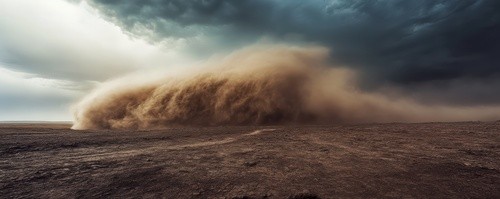
Genesis 1:2 takes us somewhere surprising: “The earth was without form and void, and darkness was over the face of the deep. And the Spirit of God was hovering over the face of the waters.”
After the majesty of verse 1, we might expect to arrive immediately in a finished garden. But Genesis takes us first to an unformed and unfilled place. Darkness is over the deep. The world is not yet shaped into fullness and beauty.
Genesis does not answer every question about timing, sequence, or mechanics. It does something better: it shows us God.
The earth is without form and void, but God is not absent. Darkness is over the deep, but the Spirit is hovering there.
Sometimes we assume God is only present after the light comes. After the grief lifts. After the diagnosis changes. After the relationship heals. After the child returns. After the church feels stable. After the calling makes sense. After the chaos is organized.
But Genesis 1:2 tells a better story. God is present before the light comes. God is present before the garden grows.
This is not sentimental. Darkness is still hard. Unfinished places still hurt. Waiting can still feel heavy. But unfinished does not mean abandoned.
And when the whole Bible is open, Genesis 1 leads us to Jesus. John 1:1–5 reaches back to the beginning and tells us that the Word was with God, the Word was God, and all things were made through Him. Then John 1:14 tells us that the Word became flesh and dwelt among us.
The Creator entered His creation. The Light came into the darkness. And the darkness has not overcome Him.
After the majesty of verse 1, we might expect to arrive immediately in a finished garden. But Genesis takes us first to an unformed and unfilled place. Darkness is over the deep. The world is not yet shaped into fullness and beauty.
Genesis does not answer every question about timing, sequence, or mechanics. It does something better: it shows us God.
The earth is without form and void, but God is not absent. Darkness is over the deep, but the Spirit is hovering there.
Sometimes we assume God is only present after the light comes. After the grief lifts. After the diagnosis changes. After the relationship heals. After the child returns. After the church feels stable. After the calling makes sense. After the chaos is organized.
But Genesis 1:2 tells a better story. God is present before the light comes. God is present before the garden grows.
This is not sentimental. Darkness is still hard. Unfinished places still hurt. Waiting can still feel heavy. But unfinished does not mean abandoned.
And when the whole Bible is open, Genesis 1 leads us to Jesus. John 1:1–5 reaches back to the beginning and tells us that the Word was with God, the Word was God, and all things were made through Him. Then John 1:14 tells us that the Word became flesh and dwelt among us.
The Creator entered His creation. The Light came into the darkness. And the darkness has not overcome Him.
God is not only Lord over finished beauty. He is mercifully present in unformed places.
Applications
First, behold God before you chase every answer. Genesis begins not with a timeline, but with God. There is nothing wrong with asking good questions, but the deepest purpose of Genesis is not to satisfy every curiosity. It is to draw us into worship.
Second, receive the humility and comfort of being created. You are not God. That humbles us. But it also comforts us. You are not an accident. You are not self-made. You are not self-sustaining. You are a creature made by God, living in God’s world, held by God’s mercy.
Third, do not confuse unfinished with abandoned. Not yet formed does not mean God is not there. Not yet filled does not mean God is not there. Not yet bright does not mean God is not there. The Spirit of God hovered over the deep before the word of light was spoken.
Second, receive the humility and comfort of being created. You are not God. That humbles us. But it also comforts us. You are not an accident. You are not self-made. You are not self-sustaining. You are a creature made by God, living in God’s world, held by God’s mercy.
Third, do not confuse unfinished with abandoned. Not yet formed does not mean God is not there. Not yet filled does not mean God is not there. Not yet bright does not mean God is not there. The Spirit of God hovered over the deep before the word of light was spoken.
Before there was dust, God.
Genesis begins with God. Before there was dust, God. Before there was darkness, God. Before there was sin, shame, curse, exile, grief, or death, God.
And in Jesus Christ, we see the fullness of that mercy. The One through whom all things were made stepped into the brokenness of the world He made. He came with life, light, forgiveness, healing, and salvation.
The dust is real. The darkness is real. The unfinished places are real. But God is not absent from them.
Where we see only dust, God is preparing mercy.
And in Jesus Christ, we see the fullness of that mercy. The One through whom all things were made stepped into the brokenness of the world He made. He came with life, light, forgiveness, healing, and salvation.
The dust is real. The darkness is real. The unfinished places are real. But God is not absent from them.
Where we see only dust, God is preparing mercy.
Recent
Archive
2026
January
February
March
April
May
August
2025
January
February
March
June
July
November
2024
December
Finding Hope in God's Presence: Lessons from MosesDevotional: Seeking God's PresenceDevotional: Finding Rest in ChristDevotional: God Revealed in ChristDevotional: Hope in the WildernessDevotional: Living in God's Presence ReadingFinding Peace in the Storms of LifeDevotional: Peace in the StormDevotional: From Faith in Christ to the Faith of ChristDevotional: The Kingdom's PeaceDevotional: Incarnation - God With UsDevotional: Come and RestFinding True Joy in God's PresenceDevotional: The Fertile Soil of God's LoveDevotional: Trusting in God's Sovereign SupplyDevotional: Embracing God's Presence in the EverydayThe True Meaning of Christmas: A Love That TransformsReflecting on the Past, Praying for the Future: A Journey of Gratitude and Hope
No Comments